
European Crypto Laws: A Practical Guide for Investors and Users
Demystifying European crypto laws, this guide from Zeroplusfinance explains current and upcoming regulations like MiCA, AML, and KYC. It details their impact on individual investors and users, covering everything from trading and staking to DeFi and NFTs, and provides practical steps for compliance. This information is educational, not financial advice, and crypto is volatile.
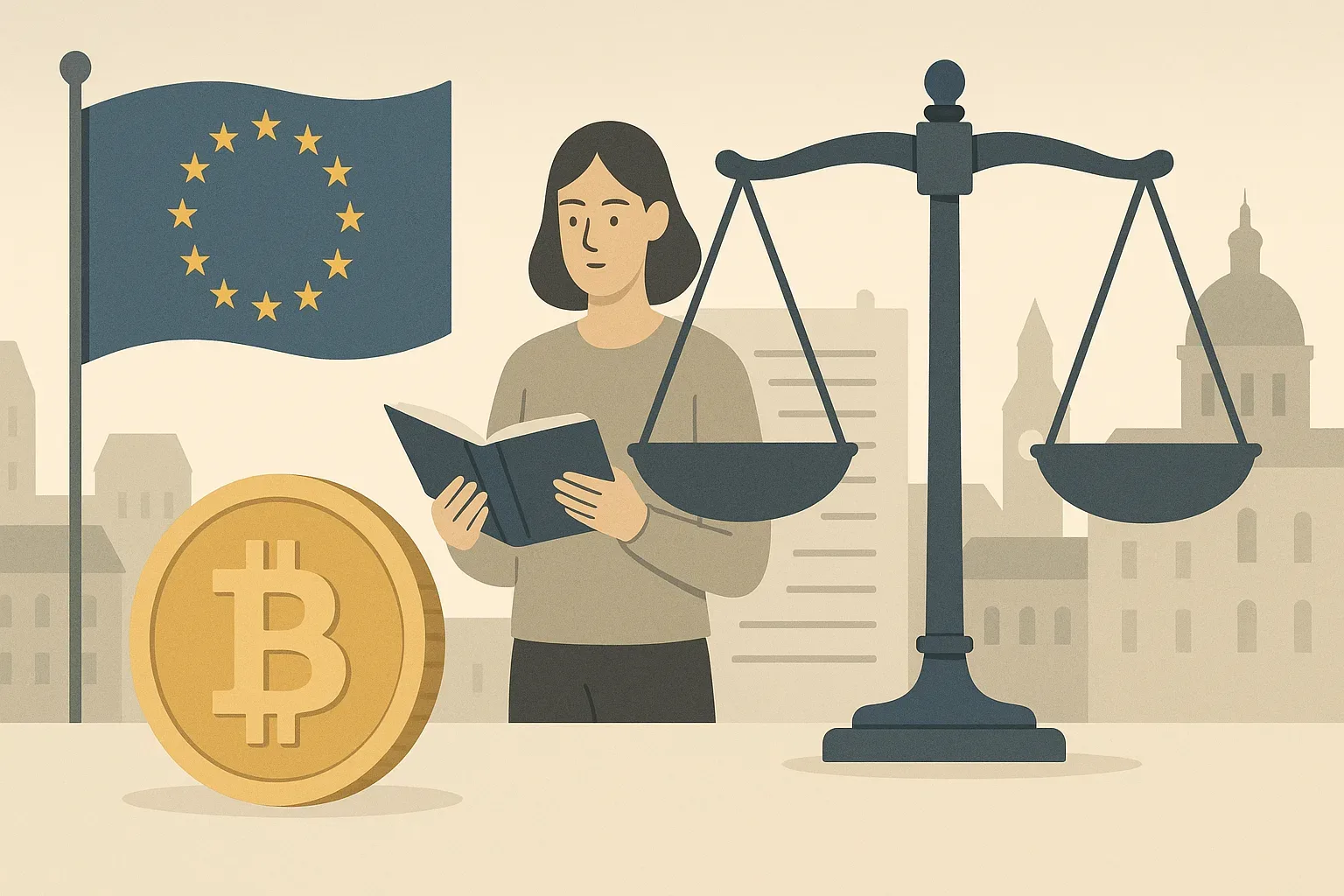
This information is educational and should not be considered financial, investment, legal, or tax advice. The crypto market is inherently volatile, and you can lose money.
Navigating Europe's Evolving Crypto Regulatory Landscape: An Introduction
Europe stands at the forefront of digital asset regulation, embarking on an ambitious journey to establish a comprehensive and harmonized framework for cryptocurrencies. This landscape is complex, marked by a blend of overarching EU directives and specific national interpretations, all aimed at fostering innovation while safeguarding financial stability and consumer protection. This guide provides a practical, detailed overview of the current and upcoming European crypto laws, specifically focusing on their direct impact on those interacting with digital assets.
MiCA: Understanding the EU's Landmark Markets in Crypto-Assets Regulation
MiCA differentiates between several types of crypto-assets: asset-referenced tokens (ARTs), e-money tokens (EMTs), and other crypto-assets not qualifying as ARTs or EMTs. The regulation introduces stringent rules for issuers of these tokens and for Crypto-Asset Service Providers (CASPs).
However, it also means that unregulated CASPs will no longer be able to offer services in the EU, potentially consolidating the market towards compliant entities. MiCA’s full rollout is phased, with rules for stablecoins (ARTs and EMTs) applying from June 30, 2024, and for other crypto-assets and CASPs from December 30, 2024.
AML & KYC: Anti-Money Laundering Directives and Their Impact on European Crypto Users
Anti-Money Laundering (AML) and Know Your Customer (KYC) directives are foundational pillars of financial regulation, extended to the crypto sector to combat illicit financial activities such as money laundering and terrorist financing. Within the European Union, the 5th and 6th Anti-Money Laundering Directives (AMLD5 and AMLD6) have significantly broadened the scope of these regulations to include crypto-asset service providers. For European crypto users, this translates into mandatory identity verification and enhanced scrutiny on transactions.
This typically involves users providing personal identification documents, proof of address, and sometimes even source-of-funds information. This data collection enables platforms to verify the identity of their users and build a risk profile. Platforms must scrutinize transactions for unusual patterns, large sums, or activities linked to high-risk jurisdictions. Any suspicious activity must be reported to national financial intelligence units. The "Travel Rule," an international standard also adopted within the EU framework, requires CASPs to collect and transmit identifying information about both the sender and receiver of crypto-asset transfers exceeding a certain threshold.
Beyond MiCA: Key National Differences in European Crypto Laws
Member states retain discretion in specific areas, and certain types of crypto-assets or activities may fall outside MiCA's immediate scope, leading to varied national approaches. The most prominent area of national divergence is crypto taxation. Each EU member state has its own tax regime for digital assets, determining how capital gains, income from staking or mining, and VAT are applied. For example, some countries might treat crypto as property, others as a financial asset, leading to different tax rates and reporting obligations. Users must consult specific national guidelines, often finding useful information on our guide to crypto tax basics at https://zeroplusfinance.com/blog/crypto-tax-basics.
Countries like Germany have established strict licensing frameworks for crypto custody, while others like France have introduced optional licensing regimes designed to attract crypto businesses. These national variations mean that a crypto business or investor operating across borders within the EU may need to comply with multiple sets of rules until broader EU-level harmonization takes effect.
Regulatory Spotlight: How EU Laws Affect Specific Crypto Activities (Trading, Staking, DeFi, NFTs)
European crypto laws have distinct implications for various digital asset activities, shaping how individual investors and users engage with the market.
Trading: Under MiCA, crypto exchanges and trading platforms are classified as Crypto-Asset Service Providers (CASPs).
While MiCA largely focuses on issuers and CASPs, the classification of staking rewards, whether as income, capital gains, or something else, is primarily determined by national tax laws. Our article on crypto tax basics at https://zeroplusfinance.com/blog/crypto-tax-basics offers further insights into the tax implications of such activities.
DeFi (Decentralized Finance): MiCA currently largely exempts truly decentralized protocols from its direct scope, primarily focusing on entities that issue crypto-assets or provide services related to them. This exclusion is due to the difficulty in identifying a responsible legal entity for fully decentralized systems. However, EU regulators are actively discussing how to address DeFi in future iterations (potentially MiCA 2.0), particularly concerning issues like consumer protection, market integrity, and systemic risks.
NFTs (Non-Fungible Tokens): Most NFTs, particularly those not representing a financial instrument or commodity and not interchangeable, are generally outside MiCA's direct scope. National laws also play a role in consumer protection and intellectual property rights related to NFTs. Users should be mindful of the legal classification of the specific NFTs they engage with, as this determines the applicable regulatory safeguards.
Staying Compliant: Practical Steps for European Crypto Investors and Businesses
For both individual investors and businesses, ensuring compliance is not just a legal obligation but a strategic imperative for long term participation in the digital asset economy. Here are practical steps to stay compliant:
- Choose Regulated Service Providers: Prioritize using crypto exchanges, wallet providers, and other service providers that are authorized and regulated within the EU. These entities are subject to stringent operational, security, and disclosure requirements under MiCA and AML directives, offering greater protection for your assets and data. Researching providers is essential, as detailed in our guide on `how-we-review-a-crypto-exchange`.
- Understand and Comply with KYC/AML Requirements: Be prepared to provide personal identification documents, proof of address, and potentially source of funds information when interacting with regulated CASPs. Complete all required identity verification steps accurately and promptly. Understand that these measures are in place to combat financial crime and protect the broader financial system.
- Maintain Meticulous Records: Keep detailed records of all your crypto transactions, including purchase dates, prices, quantities, type of transaction (buy, sell, trade, staking reward, gift), and associated fees. Our `crypto-tax-basics` guide at https://zeroplusfinance.com/blog/crypto-tax-basics provides comprehensive advice on essential record-keeping.
- Stay Informed on Tax Obligations: Crypto taxation varies significantly across EU member states. Regularly consult your national tax authority's guidelines or seek advice from a tax professional specializing in crypto to understand your specific reporting and payment obligations for capital gains, income from staking, mining, or airdrops, and any other crypto-related earnings.
- Prioritize Security: While not directly regulatory, robust security practices are a key aspect of protecting your assets and maintaining compliance. Understand wallet security best practices, as outlined in our `crypto-security-tips` guide at https://zeroplusfinance.com/blog/crypto-security-tips. Losing access to funds or falling victim to scams can complicate regulatory reporting.
- Monitor Regulatory Updates: The European crypto regulatory landscape is dynamic. Follow official announcements from EU institutions and national regulators. Subscribing to reputable crypto news sources and industry bodies can help you stay abreast of upcoming changes and their implications.
- Seek Professional Advice: For complex situations, high-volume transactions, or if you are operating a crypto-related business, consult with legal and tax professionals who specialize in digital assets. Their expertise can ensure full compliance and help navigate unique challenges.
The Future of European Crypto Regulation: What to Expect Next
The European Union's journey in crypto regulation is far from complete, even with the landmark MiCA framework. The regulatory landscape is continuously evolving, driven by technological advancements, market developments, and the EU's broader digital agenda. Several key areas and trends are expected to shape the future of European crypto laws.
First, the full implementation of MiCA throughout 2024 will be a significant milestone. As CASPs adapt to the new authorization and operational requirements, the market will likely see consolidation and an increase in regulated offerings. Post-implementation, regulators will closely monitor MiCA's effectiveness and identify areas for refinement or expansion.
Second, the focus is already shifting towards MiCA 2.0 or similar legislative initiatives that will address areas currently largely outside MiCA's scope. Decentralized finance (DeFi) is a prime candidate for future regulation. Discussions are ongoing regarding how to effectively regulate decentralized protocols without stifling innovation, potentially by focusing on interfaces, front-end developers, or specific service providers within the DeFi ecosystem. Similarly, the regulatory treatment of Non-Fungible Tokens (NFTs) will likely be clarified further, particularly for those with utility or investment characteristics.
Third, the EU's push for a Digital Euro and other central bank digital currencies (CBDCs) will interact with existing crypto regulations. While distinct from privately issued crypto-assets, CBDCs will influence the broader digital asset ecosystem, potentially setting new standards for digital payments and financial stability.
Fourth, sustainability considerations are increasingly integrated into EU financial policy. Future crypto regulations may incorporate environmental impact requirements, particularly for energy-intensive consensus mechanisms like Proof-of-Work. The EU's taxonomy for sustainable activities could eventually influence how crypto projects are assessed.
As other jurisdictions develop their own frameworks, the EU will engage in international dialogues to promote interoperability and prevent regulatory arbitrage. European crypto users and businesses should anticipate a landscape of increasing clarity and stringency, with a persistent emphasis on investor protection, financial stability, and combating illicit finance, all while striving to foster responsible innovation.
What are the main regulatory frameworks governing crypto assets within the European Union?
The main regulatory frameworks governing crypto assets within the European Union are primarily the Markets in Crypto-Assets (MiCA) regulation and the Anti-Money Laundering Directives (AMLDs). MiCA provides a comprehensive, harmonized framework for the issuance and provision of services related to certain crypto-assets across all EU member states. It categorizes crypto-assets and imposes specific requirements on issuers and Crypto-Asset Service Providers (CASPs), covering areas like authorization, operational rules, transparency, and consumer protection. The AMLDs, particularly the 5th and 6th, extend anti-money laundering and counter-terrorist financing obligations to CASPs, requiring them to implement Know Your Customer (KYC) procedures, conduct transaction monitoring, and report suspicious activities. Additionally, national laws in individual EU member states can fill gaps not covered by MiCA or provide specific rules for areas like crypto taxation, or for certain types of crypto-assets (e.g., some NFTs) that do not fall under MiCA's definitions. Other broader EU financial regulations, such as the Digital Operational Resilience Act (DORA), may also impact financial entities involved in crypto.
How will the MiCA regulation specifically impact crypto users and service providers operating in the EU?
MiCA will significantly impact both crypto users and service providers operating within the EU. For service providers (CASPs), the primary impact is the requirement to obtain authorization from a national competent authority to offer services across the EU. This means complying with strict operational, governance, capital, and cybersecurity requirements. They must also provide clear, accurate, and non-misleading information to clients, manage conflicts of interest, and implement robust safeguards for client assets. Stablecoin issuers (issuers of Asset-Referenced Tokens and E-Money Tokens) face even more stringent rules regarding reserve management, stability mechanisms, and prudential requirements. This will lead to increased compliance costs and potential market consolidation, with unregulated entities being forced out.
For crypto users, MiCA is largely designed to enhance protection and foster trust. The regulation aims to reduce market manipulation and insider trading, creating a fairer trading environment. Users will also have stronger consumer protection rights and access to dispute resolution mechanisms when interacting with regulated CASPs. The robust requirements for stablecoin reserves are intended to provide greater stability and reliability for these assets. While MiCA will bring more security and legal certainty, it might also lead to a more centralized crypto market within the EU, potentially reducing the range of available unregulated services or increasing fees due to compliance costs. Overall, it aims to make the European crypto market safer and more legitimate for individual investors.
What are the essential Anti-Money Laundering (AML) and Know Your Customer (KYC) requirements for crypto activities in Europe?
For crypto activities in Europe, essential Anti-Money Laundering (AML) and Know Your Customer (KYC) requirements are mandated primarily by the EU's Anti-Money Laundering Directives (AMLDs). Crypto-Asset Service Providers (CASPs), such as exchanges, custodial wallet providers, and certain lending platforms, are deemed "obliged entities" under these directives. The core requirements include: Customer Due Diligence (CDD), which involves verifying the identity of their customers (KYC). This typically requires collecting personal details, government-issued identification (like passports or national IDs), and proof of address. Depending on the risk assessment, Enhanced Due Diligence (EDD) may be required for higher-risk customers or transactions, involving deeper scrutiny of the source of funds and wealth. Any Suspicious Activity Reports (SARs) must be filed with national financial intelligence units. These measures aim to prevent the use of crypto for illicit financing, fostering a more secure and transparent digital asset ecosystem.
Are there significant variations in crypto laws between different EU member states, and how do they affect users?
Yes, there have been, and still are, significant variations in crypto laws between different EU member states, although MiCA aims to harmonize much of this. Before MiCA's full implementation, member states adopted diverse approaches to licensing crypto businesses, classifying certain crypto-assets, and interpreting existing financial regulations. For instance, some countries like Germany implemented comprehensive national licensing regimes for crypto custody providers well before MiCA, while others had more permissive or less defined frameworks. These variations directly affected users by influencing the availability of certain services, the level of consumer protection offered by local providers, and the ease of operating a crypto business within different national borders.
Even with MiCA, some key differences will persist. The most prominent area of variation remains crypto taxation. Each member state retains full autonomy over its tax policies, leading to diverse treatments of capital gains, income from staking, mining, or airdrops, and Value Added Tax (VAT) on crypto transactions. Users in different EU countries will face distinct reporting obligations, tax rates, and definitions of taxable events. This means that users must remain aware of and compliant with their specific national laws, in addition to the overarching EU regulations, to ensure full legal adherence and avoid potential penalties. The legal landscape for digital assets is therefore a patchwork of EU-level and national-level rules, requiring users to conduct due diligence on their specific jurisdiction.
How do current and upcoming European regulations address emerging areas like decentralized finance (DeFi) and non-fungible tokens (NFTs)?
Current European regulations, particularly MiCA, have a limited and nuanced approach to emerging areas like Decentralized Finance (DeFi) and Non-Fungible Tokens (NFTs). MiCA largely excludes truly decentralized DeFi protocols from its direct scope, as it primarily targets identifiable legal entities responsible for issuing crypto-assets or providing crypto-asset services. The challenge with DeFi is identifying a central 'issuer' or 'service provider' to hold accountable. However, regulators are acutely aware of the risks associated with DeFi, including consumer protection, market integrity, and financial stability. Discussions are actively underway for potential future regulatory frameworks, often referred to as 'MiCA 2.0' or specific DeFi regulations. These future initiatives might focus on regulating entry points (like front-end interfaces, aggregators, or developers contributing to protocols), certain types of DeFi services that resemble traditional financial services, or specific DeFi products that pose systemic risks. The aim would be to strike a balance between mitigating risks and preserving innovation, potentially through disclosure requirements, audits of smart contracts, or specific rules for stablecoins used in DeFi.
For NFTs, MiCA also has a limited scope. Most NFTs, especially those that are unique and not fungible and do not represent a financial instrument, are generally excluded from MiCA's direct regulation. National laws might also apply to NFTs, particularly concerning consumer protection, intellectual property rights, or anti-money laundering obligations for platforms facilitating NFT trading. The EU recognizes the rapidly evolving nature of NFTs and is closely monitoring the market to assess whether dedicated regulation is needed to address potential issues like market manipulation, consumer protection gaps, or money laundering risks associated with their use. Both DeFi and NFTs represent areas where the regulatory landscape is still maturing and is highly likely to see further, more targeted interventions in the coming years.
What practical steps can European crypto investors and businesses take to ensure compliance with existing and future laws?
European crypto investors and businesses need to adopt proactive and diligent strategies to ensure compliance with the evolving legal landscape. Here are practical steps:
For Investors:
- This offers legal recourse and enhanced consumer protection. Our guide on `how-we-review-a-crypto-exchange` at https://zeroplusfinance.com/blog/how-we-review-a-crypto-exchange can help in evaluating platforms. 2. Comply with KYC/AML: Always complete identity verification requirements accurately and promptly when using regulated services. Understand that these are mandatory for legitimate operations. 3. Maintain Detailed Records: Keep meticulous records of all crypto transactions, including dates, values, types of assets, and any associated fees. Refer to `crypto-tax-basics` at https://zeroplusfinance.com/blog/crypto-tax-basics for comprehensive guidance. 4. Understand Tax Obligations: Research and comply with your specific national crypto tax laws. Seek professional tax advice for complex situations. 5. Practice Strong Security: Implement robust security measures like strong passwords, two-factor authentication, and secure wallet practices to protect your assets and transaction history. Our `crypto-security-tips` at https://zeroplusfinance.com/blog/crypto-security-tips offers essential advice. 6. Stay Informed: Regularly monitor updates from EU institutions (e.g., European Commission, ESMA) and national regulators regarding new laws, guidelines, and deadlines.
For Businesses (CASPs and other crypto-entities):
- Seek Authorization: If providing services covered by MiCA (e.g., operating an exchange, providing custody, issuing stablecoins), prepare for and obtain the necessary authorizations from the relevant national competent authority. 2. Implement Robust Compliance Systems: Establish comprehensive AML/KYC programs, including CDD, transaction monitoring, and SAR reporting. Ensure adherence to the 'Travel Rule'. 3. Ensure Operational Resilience: Comply with MiCA's requirements for governance, cybersecurity, IT security, and operational resilience. Consider the implications of DORA if applicable. 4. Transparency and Disclosure: Prepare accurate whitepapers, marketing communications, and disclosures for crypto-assets and services, ensuring compliance with MiCA's transparency rules. 5. Legal and Tax Counsel: Engage specialized legal and tax professionals early to navigate the authorization process, structuring of products, and ongoing compliance. Regularly review and update internal policies. 6. Participate in Industry Dialogue: Engage with industry associations and regulatory bodies to stay ahead of upcoming changes and contribute to policy development.
By following these steps, both investors and businesses can effectively navigate Europe's evolving crypto regulatory landscape, fostering a more secure, transparent, and compliant digital asset environment.
This article is educational and is not financial, investment, legal, or tax advice. On-chain products can lose value through market moves, smart-contract failure, and operational error. Cryptocurrency markets are volatile.